Featured

Digital Disruption

‘Disruption’ is commonly found to be a negative term, often referring to being interrupted by a disturbance or a problem. However, digital disruption is not a negative concept for those who latch on and embrace the transformation it is creating. The world is running in a new direction, and businesses who wish to thrive and succeed in an increasingly competitive marketplace must run with it.

For many businesses digital disruption can be negative, technological advances are moving at speed, unleashing a disruptive force and driving the next wave of innovation – making it is easy to be left behind. According to Forbes, 51% of executives surveyed report a high level of risk to their organisation from technology-driven disruption by start-ups or innovations by incumbent companies.

Markets are being forced to change drastically and at rapid rates to accommodate this new age of digital products and services. Consumer needs are shifting, therefore by embracing changing technology and disruption businesses can maintain current customers whilst simultaneously creating exciting opportunities to engage new customers.

Consumer knowledge is greater than ever in this digital age, offering customers complete control over the buying process. Therefore customer focused marketing is more crucial than ever. Enriching customer experience and ensuring seamless transaction processes are examples of how disruption is radically reshaping today’s markets—as well as creating new ones. In turn, this positions data as the key element, a new corporate asset  utilising customer data in new and innovative ways not simply to be disruptors, but to provide superior customer experiences. According to McKinsey; Digitising customer interactions provides a wealth of information for marketing, sales, and product development while, digitising internal processes generates data that can be used to optimise operations and improve productivity.

Digital disruption is inevitable, a powerful force that will continue to change and evolve markets. In order to succeed businesses must not only embrace digital disruption but plan ahead and work with the movement to promote growth, expansion and gain competitive advantage – Surviving and thriving in today’s digital economy demands no less.

Let me be your Heroe Baby…

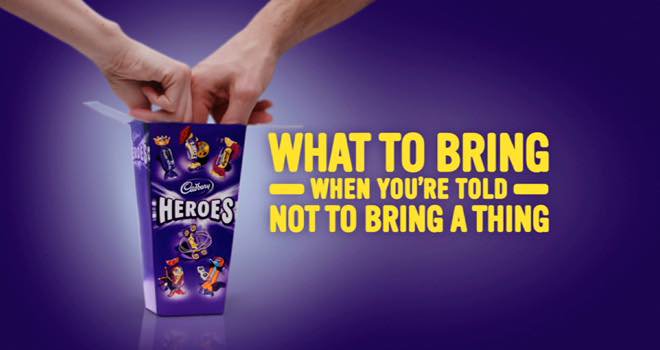
Cadbury Heroes are the UKs equivalent to Australia’s Cadbury Favourites. Cadbury has launched its first Heroes campaign since the 2013 ‘What to Bring’ advertisment, with a new heart warming digital series, ‘Families Reunited’, focusing on families working to reconnect. 

A series of long-form videos share stories of how parents are trying to get involved in their kids hobbies to reunite and rebuild their relationships. The first episode of the series tells the story of a father learning to ride a bike like his son, whilst episode two will show a truck driver mother learning to figure skate like her eldest son.

Source

Various platforms and channels will be used to share the campaign, including Facebook, Instagram and Television, with the focus of directing people to go watch the 20 minute short films.  

This longer videos provide a story and engage with viewers to provide them with a more genuine and rewarding experience; creating a much deeper connection and a richer consumer experience than they would get from a traditional media plan.

This is the first digital-series campaign Cadbury has used, hoping that their marketing efforts ‘stand out in an increasingly competitive market. Through the campaign Cadbury targets families, specifically with teenage children who they feel may be disconnected from – its all about being relatable and tapping into that understanding of modern family life. Cadbury is a brand often found in the home, and a family home is often a space for entertainment to be shared; with this campaign focusing on Cadbury creating their own entertainment and finding ways to share that with people.

The series aims to relate to the modern day consumer, acknowledging that ‘family time isn’t really how it used to be’ – through watching the campaign and sharing Heroes Cadbury hopes to reconnect families and ultimately use their brand as the tool to share the love, share the chocolates and reunite the family. 

App and GO!

Self-service checkouts are growing rapidly across the retail industry, with both consumers and companies reaping the benefits. 

A seamless, fast and easy transaction is vital to ensure greater customer satisfaction. The benefits of self-service exist beyond shorter queues and a faster purchase process, but it allows staff to be more attentive, offering greater customer focus and assisting customer queries. 

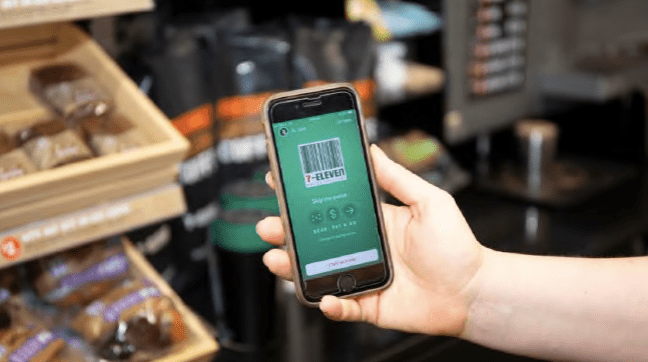
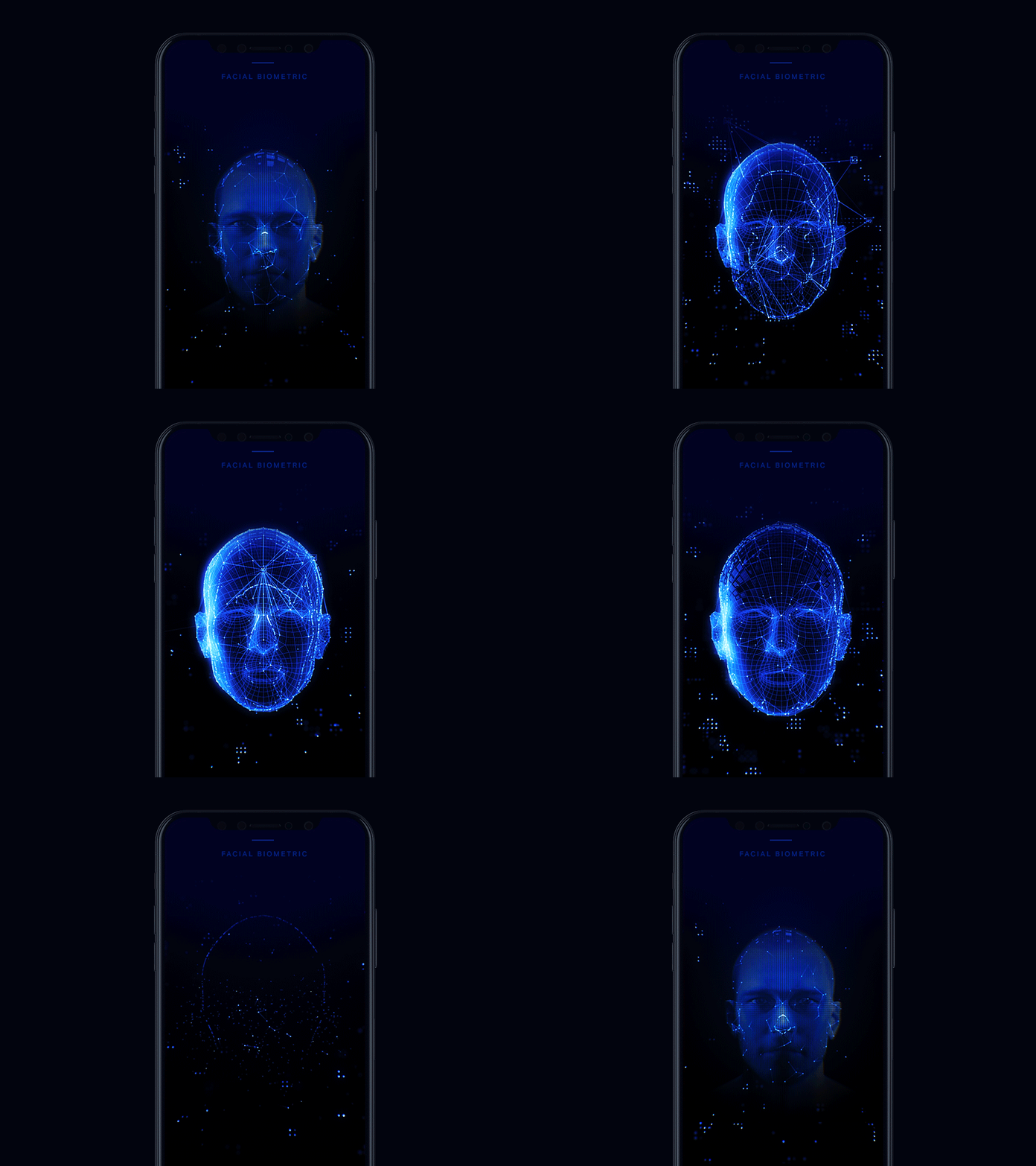
Earlier this year, 7-Eleven opened its first cardless and cashless free store at the bottom of my office block. Through a mobile application you create a customer profile, upload a selfie and link your bank card.

Simple!

Source

Customers walk through the store, pick the items they want, scan the barcodes  with their phone and complete the transactions through the app. In and out within seconds!

Security cameras, alongside individual customer photos on the app ensure users pay for items before exiting the store. The store feels more spacious and customers avoid being funneled to a checkout location creating a frictionless in-store experience.

It was a seamless process, the app is user friendly and the store provided an exciting, enjoyable and convenient shopping experience. The one staff member in the store welcomed and farewelled customers, her sole focus on enhancing the customer experience and assisting wherever needed. 

A statement from7-Eleven CEO Angus McKay explained the launch is part of the chain’s goal to “push the notion of convenience to its absolute limit”.

‘Hey Siri, Whats Trending?’

The marketing world is evolving and changing at an unprecedented place, technology is powering forward and it is transforming the way we do almost everything. As marketers we must stay ahead of the curve, making it vital we are aware of new and emerging trends.

Chatbots

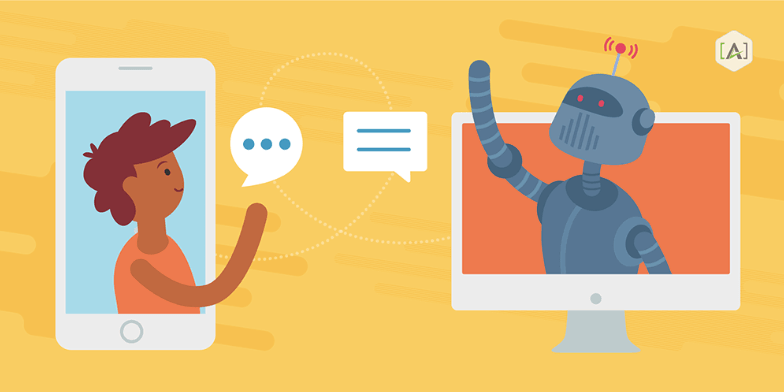
Chatbots offer a competitive advantage, allowing your consumers instant problem resolution 24/7. Chatbots are quick, reliable, and work to free up customer care lines from being bulked down by mundane tasks; therefore your call lines and emails can be prioritised to higher value issues – Chatbots are the ultimate culmination of the universal content accessibility and personalization effort. 

Personalised Content

Content is KING!

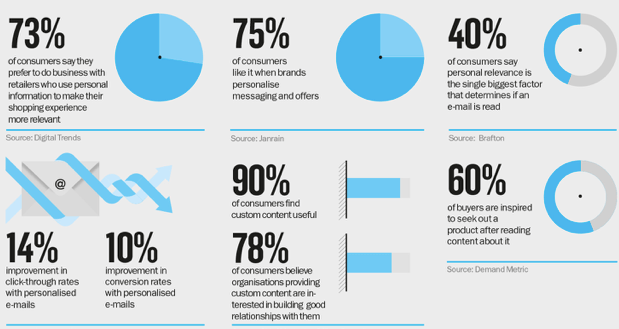
Competition is becoming more aggressive and consumers are becoming more demanding, therefore personalisation is key to attracting and maintaining consumers. In its simplest form, this can be done by addressing consumers directly, use their name in emails or sales alerts. Beyond here use your data and insights to understand how your target audience behaves, and tailor your customer journey to align with this. Show that you know them, you understand their wants and needs and they are of value to you. 

Voice Search 

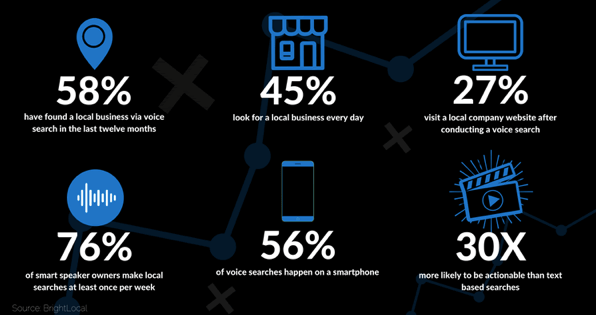
Voice search offers incredible technology, which is user-friendly so consumers can access information without needing to touch a keypad. We live in a fast-paced, digital world where consumers often feel they are time poor – with this technology users don’t need to stop what they are doing to use it. Marketers are shifting SEO efforts towards voice search as it is in such early stages of growth and opportunity is only expected to flourish – it is expected by 2020, 50% of all searches will be voice searches.

Say Goodbye Middleman, and HELLO to Blockchain!

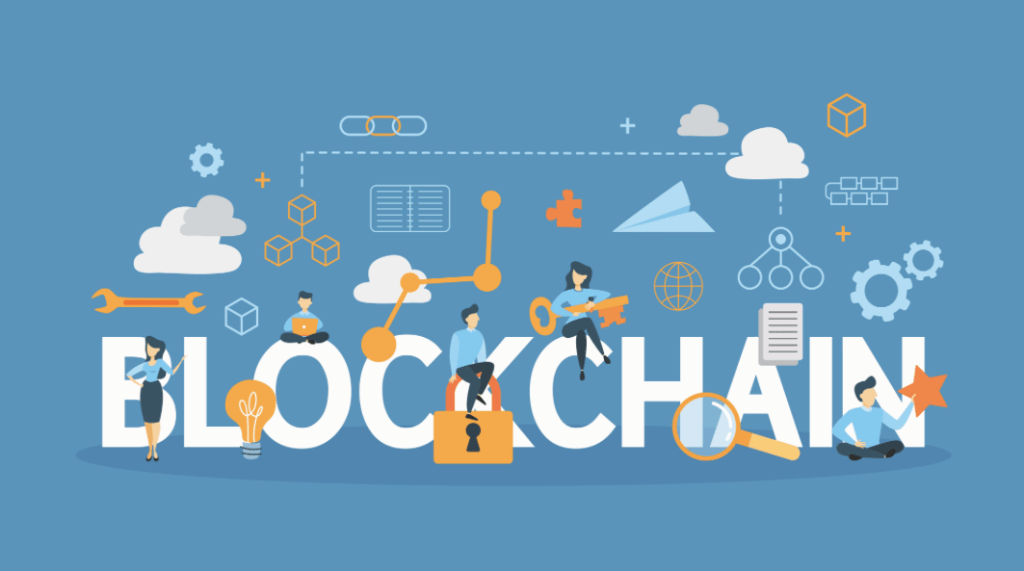
The marketing industry exists in a world of constant disruption; it is vital to be dynamic and adaptable to meet evolving consumer needs. However, is the best still yet to come? Blockchain is about to seriously shake up the industry, an emerging technology eliminating the digital middleman, increasing transparency, and giving consumers control over sharing their information.

What is Blockchain?

Source

At its core, blockchain is a public ledger that stores and distributes data, which can be reliably verified. The sophisticated technology provides transparency and maximum security through storing information in a chain-like configuration known as ‘blocks’. These can be built upon however, they cannot be changed or altered; making blockchain secure, transparent, and revolutionary.

So, What are the benefits to Digital Marketing?

Losing the middleman acting as an intermediary between advertisers and users, e.g. Google Ads. They provide a service at a cost. Blockchain enables direct communication, removing the ad buying process so brands can now pay their target consumers to view their ads. Further to this block chaining works to build customer profiles directly from the consumer, enhancing a company’s ability to target and market to their consumer’s needs –and spend advertising on only those customers who are most likely to buy your product. This means smarter spending—and connecting—with potential customers.

Plus blockchain offers tamper-proof transparency, therefore consumers have complete access to the supply chain process, assisting in tackling issues of user trust which is becoming increasingly prevalent in the digital space. Offering consumers total power in their purchasing decisions, building greater trust and offering greater consumer experience. 

Source

Blockchain is a powerful technology, and for those who are willing to take a leap, the opportunities are seemingly endless.

Artificial Intelligence – Frightening or Exciting?

Artificial Intelligence (AI) is computer science, creating machines that function both intelligently and independently to act and behave like humans. AI is a digital marketing dream, opening the door to a world of possibilities; including offering unique customer insights and enhancing the overall user experience.

Let’s check out 3 major ways in which AI is assisting digital marketers.

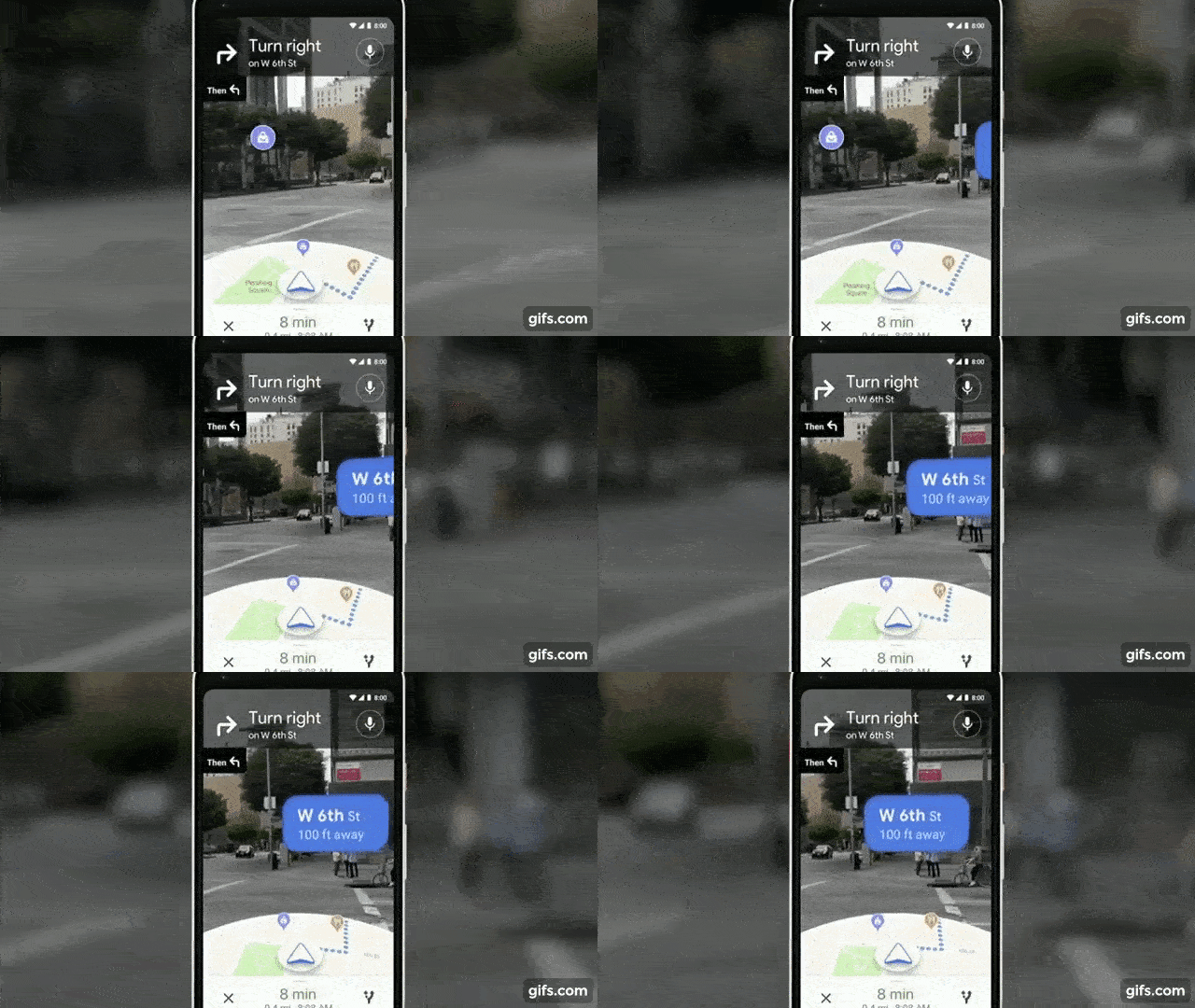
Firstly, we need to recognise that the key to a successful digital marketing strategy is all about perfecting that customer experience. AI is always working to collect data and analyse it, to offer consumers content that is relevant at a given point in time. Businesses now use AI to deliver personalised content and offers to enrich the customer experience. Google Maps analyses anonymous data from smartphones, offering predictions about the most efficient way to get from A to B or reminding you where you parked your car once you’ve left it.

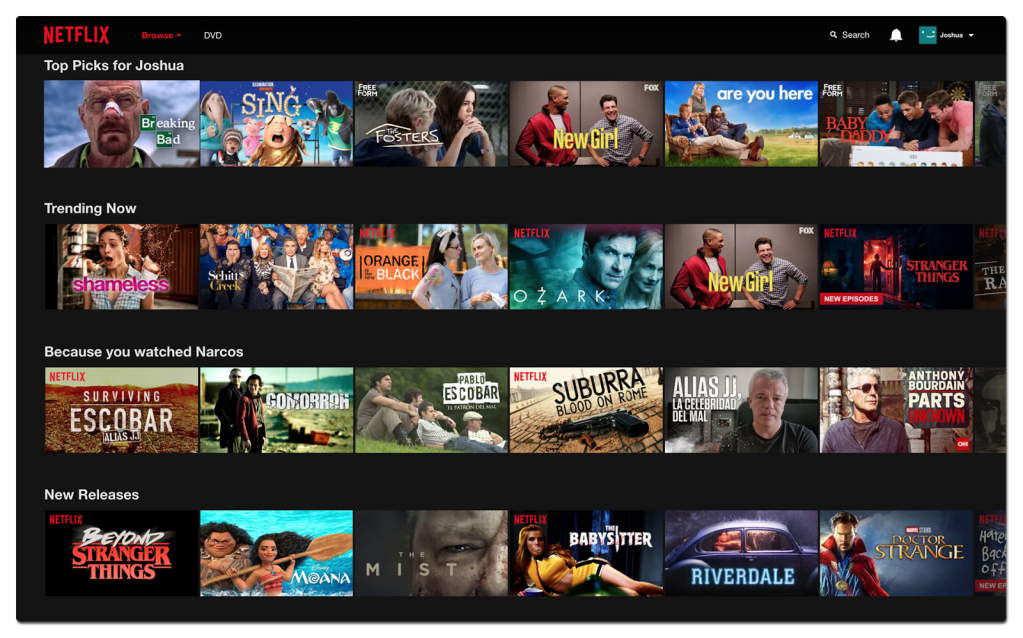
Secondly, predicting consumer behaviour. This is all around further enhancing the customer experience, already AI is monitoring your past behaviours to personalise the user’s experience but now it is working to predict your behaviour. By collecting second and third party data AI is continuing to collect information beyond your session site and further personalize your user experience. We see this everyday with Spotify and Netflix with the ‘Top Picks For You’ section, offering new shows and movies based off others we have watched. 

Source

Thirdly, error reduction and immediate assistance is now being offered via AI chatbots. To assist in a seamless customer journey, chatbots offer quick responses and work to resolve problems, the automated tool is designed to give consumers the impression they are talking to an actual person in real time. 

However amongst these amazing opportunities exists a fear that ordinary humans will someday be overtaken by artificially intelligent machines. As Stephen Hawking once said, “Success in creating AI would be the biggest event in human history. Unfortunately, it might also be the last, unless we learn how to avoid the risks”.  

Will this happen, or will it not? Amidst this rapidly changing tech-world the future of AI is not really known, varying opinions all contrasting the next but one thing is for certain, AI is looking to be a big PLUS in the marketing world!

Instagram’s Most Powerful Beauty Brand – Anastasia Beverly Hills 

Boasting a cool 19.3 Million followers on Instagram, Anastasia Beverly Hills (ABH) has made their mark on the global beauty industry. They have curated the perfect digital marketing formula to shift the brand fromthe conception of a singular cult brow formula to an estimated company value of $1.5 billion. 

So what is involved in this magical marketing mix?

Four main routes have been taken by the brand allowing them to dominate the industry and obtain awidespread social presence. 

Step 1, Micro-Influencers. 

ABH works with small and micro influencers, targeting beauty bloggers who have smaller followings (between 5K-100K). Micro influencers will accept free products in exchange for product reviews, making it a cheap and effective way to generate greater reach and engagement with a wider audience. As there is no paid exchange the reviews are often more genuine and consumers feel there is greater authenticity as opposed to paid promotions; Nurturing honest relationships based on gifting is one of the main keys to success of Anastasia Beverly Hills.

Step 2, User Generated Content. 

ABH rely heavily on user generated content, as they believe the best and most honest feedback is from their fans. The benefits here extend beyond a cost perspective but through hashtags and tagging, they increase visibility, engagement and again create that greater sense of authenticity. ABH are also very active on their Instagram account, sharing upwards of 7 posts and stories a day, they are constantly sharing and engaging with their fans content. 

Source

Step 3, Generate Conversation. 

ABH have mastered the ability to communicate with their followers, interaction is strong with the brand consistently responding to every commenting and question across all social platforms – regardless of is being positive or negative. 

“By speaking directly with consumers on social platforms, responsive brands can innovate to meet real-time shopper demands…This is how a product starts” – Anastasia Soare

Step 4, E-Commerce.

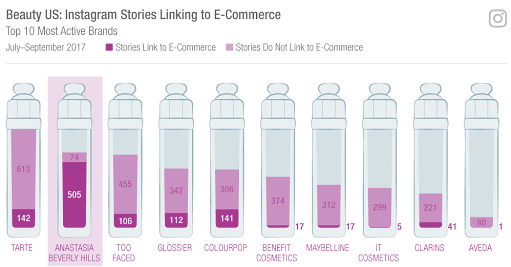
Through their Instagram bio consumers can directly access their online website, but further from this they use Instagram stories to create an external link so consumers can again be directed to an online store; 90%of their stories transferring customers to their e-commerce site.

#Belonganywhere with Airbnb

Launched in 2008, Airbnb has evolved into a international community marketplace for users to list and book unique accommodation around the world. Present in 33,000 cities, 192 countriesand with 150 millioncurrent users – Airbnb is estimated to be worth at over $38 Billion.

Digital marketing has allowed Airbnb to grow exponentially, heavy investment in Google Ads and the leveraging of Craigslist to drive traffic assisted in growing users and listings. Whilst Google display advertising increased brand visibility on an international scale, increasing website traffic and brand recognition. 

Airbnb is active on all social media platforms, boasting high followers and engagement on Facebook, Instagram, Twitter and YouTube. Airbnb adopts a community-led approach, emphasising building relationships and encouraging users to immerse themselves in cultures to create a more authentic experience. The Airbnb ‘We Accept’ campaign underpins the companies long-held values of community-led and culturally diverse travel. 

Source

While the ‘Keep Travelling Forward‘ campaign, supported this community-minded focus, captivating consumers as they reinforced this idea of a global community by directly rebutting the imposed travel ban in the US and fighting.

Source

Beyond accommodation, they offer a multitude of opportunities, known as ‘Passion Categories’ showcasing concerts, cooking courses, tours and sports to further intensify customer experience and build positive brand association. This was introduced in conjunction with the ‘Don’t go there. Live there‘ campaign, encouraging travellers to live like a local and highlighting parts of cities that often go undiscovered. Hashtag #belonganywhere is used through their twitter posts, to further this message, and content posted is constantly engaging, timely and relevant. 

Source

Airbnb’s digital strategy constantly reinforces their company values and communicates their brand message. They use their digital platforms to tell a story and spark excitement in users, with powerful and purposeful content they captivate large audiences and are quickly building a very loyal consumer base. 

Furniture Designed for the Digital Age

A dreamy combination of the perfect product, a strong offering and a creative, perhaps even relentless marketing campaign has placed Koala on all our radars. 

The online only brand taking Australia by storm generated over $13 million in sales in their first 12 months, and the most recent financial year is expected to show revenue in excess of $80 million.

Targeting young professionals and millennials, who might have just purchased a home or are shifting into their first rental – they are offering a stress free solution to this ‘time poor’ generation. Combining what they regard as the two of the best inventions in the last 100 yearsFurniture and the internet, Koala provide high quality, Australian made furniture which will be at your door within 4 hours.

Source

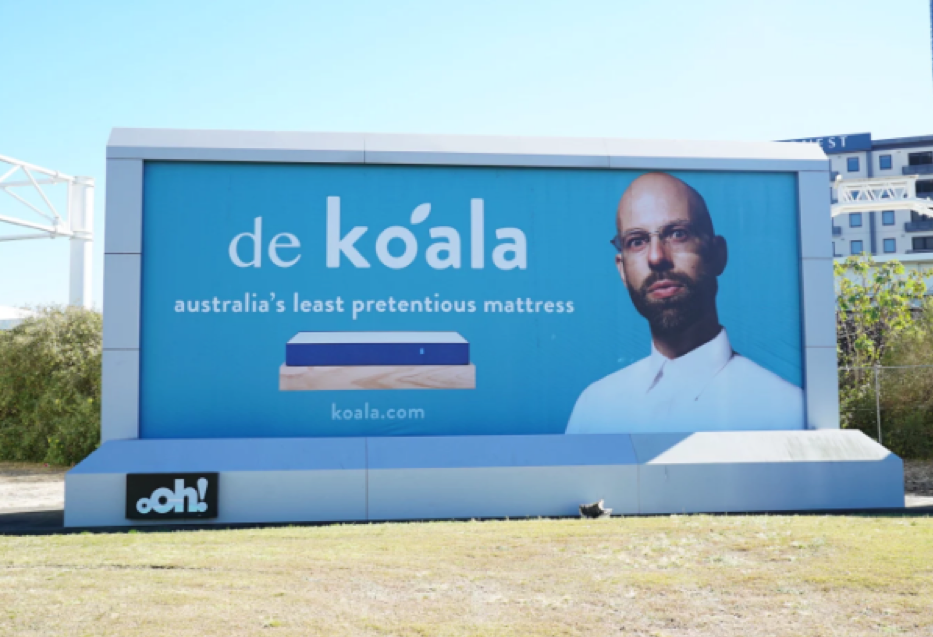
A loud and proud Australian brand, Koala use the Australian humour that we all know and love to capture attention, engage their audience and spark conversation. Referencing local culture, native animals and idiosyncrasies, making each ad quintessentially Aussie

Source

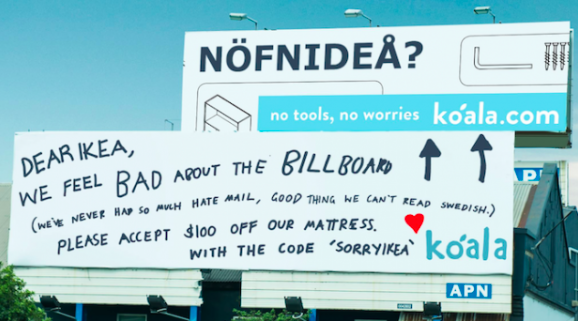
Koala is using a “high-velocity” advertising strategy that seeks to reduce reliance on low-margin search engine optimisation and social media advertising. Embracing the digital world through social platforms, encouraging customer created content and utilising powerful TV ads and Billboards, Koala continues to circulate online buzz and spark conversations. Their efforts are not unnoticed, producing thousands of consumer comments online and increasing their social engagement – with the total reach out from billboard related posts exceeding 10 million people. 

Koala are customer centric, their ads capturing the laughs and hearts of millennials all around Australia. Funny, relatable and consistent they are proving a force to be reckoned and it will be only so long before we are all jumping into bed with them.

Is Hiding Likes our Happy Ending?

Instagram has been crowned one of the most popular social networks worldwide, 2018 marking a momentous year, with Instagram reaching one billion monthly active users. On a daily basis consumer engagement is exceptionally high, with over 95 million photos being shared and over 4.2 billion likes being recorded in a single day on the app.  

Therefore the decision to trial hiding the ‘like’ feature has been incredibly controversial, with now only the user of the profile seeing the number of likes on their posts. A statement released by Instagram explained “We hope this test will remove the pressure of how many likes a post will receive, so you can focus on sharing the things you love”.

A strong mentality exists around the correlation between how many likes a photo may get and this being a reflection of your self worth. According to a recent survey Instagram is the worst social media network for mental health and wellbeing, the app being associated with high levels of anxiety, depression, bullying and FOMO (“fear of missing out”). People often forget that Instagram is not real life and at the end of the day is really just a highlight real of everyone else’s. 

The main impact will be noticed by influencers and businesses, where likes equal exposure and exposure equals money. Likes, comments and engagement allow these parties to not only thrive but ultimately survive in the Instagram world. Although an unpopular opinion, I believe this feature is positive from a digital marketing perspective, encouraging brands to be more creative with the content they are creating and engage with consumers authentically and organically. 

Instagram is returning to its roots, cultivating a positive space where users can feel more open and comfortable to like and post without the fear of ‘likes analysis’. We can only hope, this in turn will reduce the negative mental health issues associated with it. 

Design a site like this with WordPress.com
Get started